

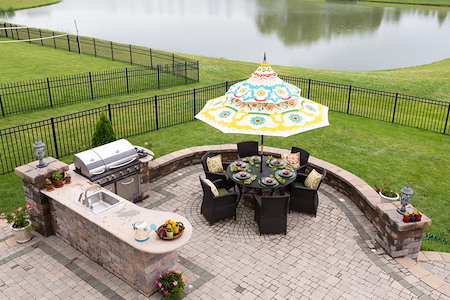
Designing safe, reliable outdoor gas systems in Colorado takes more than a basic pipe chart. Thin air at elevation changes how appliances burn, how much fuel they need, and how long a line can run before pressure drops. This guide explains how pros size and design natural gas and propane lines for outdoor kitchens, fire pits, and patio heaters across the Front Range and mountain communities, with a focus on practical field checks, safety, and local conditions. If you are planning new work or an upgrade, speak with a licensed team that handles gas line repair and replacement every day.
Why Altitude Changes Gas Flow And Combustion
At higher elevations, air holds less oxygen. Burners that run fine at sea level can run rich, produce soot, or struggle to stay lit in places like Denver, Castle Rock, or Evergreen. Manufacturers often specify altitude conversion kits and different orifice sizes to keep flames stable. Propane and natural gas behave differently as well, so the supply, regulator settings, and appliance rating must all match.
Outdoor cooking and heating add more variables. Wind across a patio, cold morning starts, and long underground runs can all affect how much pressure reaches each appliance. That is why a proper design begins with the appliance list and ends with verified pressure readings after installation.
Gas Line Installation Colorado: How We Size At Altitude
1) List Appliances And Total The BTU Load
A pro will inventory everything that could ever be on at the same time. That might include a grill head, side burner, pizza oven, smoker, infrared sear station, patio heater, and a fire pit. The combined demand sets the baseline for the main trunkline. Future add-ons matter too. If you plan to add a second heater next winter, the main line should be sized now so it will not need to be dug up later.
- Outdoor kitchen suite with multiple burners
- Decorative or warming fire pit
- Freestanding or wall-mounted patio heater
- Backup generator or pool heater that shares the same supply
2) Map The Route And Count The Fittings
Pressure drop grows with distance and with every elbow, tee, and transition fitting. Long backyard runs to detached patios in Erie or Parker often require upsizing the main trunk and then stepping down near each appliance. Underground paths should avoid tree roots, hardscape footers, and high-traffic play areas while keeping shutoff valves accessible.
3) Choose The Right Pressure And Regulator Strategy
Some systems use standard low-pressure service to each appliance. Others run a higher pressure on the long main line, then drop pressure near the point of use. The right choice depends on appliance ratings, distance, and how many branches your layout needs. The regulator plan must match the fuel type and altitude notes in each appliance manual.
4) Select Materials Built For Freeze–Thaw Soils
Front Range yards see wide temperature swings and active soils. Rigid black steel is a solid choice above ground when protected from impact and corrosion. Underground, polyethylene (PE) with a tracer wire handles movement well when installed at an appropriate depth with proper bedding and marking. Corrugated stainless steel tubing can simplify routing inside structures when installed to manufacturer instructions and properly bonded.
Local insight: Freeze–thaw cycles and clay-heavy soils along the Front Range can shift season to season. A slightly larger trunkline with flexible underground material can protect pressure and reduce the chance of future digging.
Permit timing and inspection steps vary by city and county in Colorado, so scheduling early helps keep your project on track.
Outdoor Kitchens, Fire Pits, And Patio Heaters: What Changes At Elevation
Outdoor kitchens concentrate several burners in a small footprint. In Colorado’s thinner air, appliance makers may specify different orifices to keep flames clean and hot. A common fix is to feed the kitchen with a dedicated branch sized for the total grill suite rather than sharing a small line that also feeds a distant fire pit. For long island runs, a higher-pressure trunk with a step-down regulator near the island often keeps performance consistent during windy evenings.
Fire pits are simple to operate but not simple to supply. Decorative burners can be sensitive to pressure drop, especially with long underground lines that snake around patios and planting beds. If you plan a seat wall or wind screen, that can change how the flames move and how much gas the burner needs to look right. Patio heaters add tall, flame-exposed columns that must be anchored and spaced per their manuals, and their height can increase exposure to gusts on open decks in places like Highlands Ranch or Broomfield.
Underground Runs In Colorado Yards
Underground work starts with utility locating and a trench plan that respects setbacks, drainage paths, and frost depth expectations. Bedding protects the pipe from sharp rocks, and careful backfill reduces future settlement that could stress fittings. Sweep bends instead of tight elbows help flow and make pulls easier. Valve boxes should sit level with finished grade for quick access in all seasons.
Always have utilities located before any digging begins. Professional installers coordinate this step, secure permits where required, and schedule inspections. That coordination prevents delays and protects your property.
Sizing The Main Trunkline For Expansion
Many homes start with one outdoor feature and add more over time. If your patio has a grill today and you want a fire pit next year, a thoughtfully upsized trunkline saves money and mess later. The installer will consider diversity, which is the chance that all appliances run at once, along with seasonal use. A practical approach is to size the main for peak entertainment nights, then step down with appropriately sized branches and shutoff valves at each appliance.
- Total appliance demand and realistic simultaneous use
- Line length to the farthest appliance
- Number and type of fittings along the route
- Elevation, wind exposure, and cold-start performance
- Material choice, burial depth, and soil movement
Natural Gas Versus Propane In The Foothills
Neighborhoods with utility natural gas enjoy a steady supply, while foothill and rural properties may rely on propane tanks. Propane systems need the right tank size, regulator stages, and protected routing to the appliances. Natural gas systems often share capacity with indoor furnaces, water heaters, and fireplaces. A whole-home review prevents surprises when multiple fixtures call for fuel at once on a cold night. Never connect propane to equipment rated for natural gas, or the other way around.
Safety Protocols And Code Considerations
Colorado cities and counties adopt fuel gas codes with local amendments, and requirements can vary by jurisdiction. Permits, inspections, bonding of specialty tubing, sediment traps, drip legs, appliance shutoff valves, and clear working space are all common expectations. Outdoor appliances also need stable mounting, proper clearances, and accessible shutoffs. Your installer should document regulator settings, label valves, and record final pressure and leak checks for your files.
Always hire a licensed, insured plumbing professional for gas work. A pro installation protects your family, your home, and your insurance coverage. It also ensures the design matches manufacturer instructions, which is essential for safety and warranties.
How Easy Breezy Plumbing Designs And Installs High-Altitude Systems
Our team begins with a site visit to review your outdoor plan, meter or tank location, and how your existing system is laid out. We total the potential BTU load, confirm appliance documentation, and evaluate line length and routing. From there, we design a trunk-and-branch layout that fits your patio, hardscape, and landscaping, and we match the plan to altitude notes from each manufacturer. We also review options for materials that handle Colorado’s freeze–thaw cycles and soil movement so your system stays reliable through the seasons.
During installation, we coordinate utility locating, required permits, trenching, and inspections. We pressure test, check regulator performance under load, and verify clean, steady flames at each appliance. You get a labeled system, accessible shutoffs, and documentation for your records. If an older line has been undersized or damaged, our crew can handle gas line repair and replacement and bring the system up to current standards.
Common Design Questions We Help Colorado Homeowners Solve
Can one line feed both a grill island and a fire pit without starving either one? Is it smarter to run a higher pressure trunk to the far corner of a yard and step down at the island? Will a future patio heater or pizza oven push the system over its limit? These are the kinds of questions we answer on every project so you get the performance you expect when friends and family gather.
For broader plumbing needs, explore our plumbing contractor category to see how full-system thinking can improve reliability indoors and out. To learn more about our team and services, many homeowners start at the homepage with gas line installation Colorado resources and ideas for outdoor living projects.
Ready To Build It Right The First Time
Colorado’s elevation rewards careful planning. When your gas system is sized for altitude, routed for your yard, and built with the right materials, outdoor living feels effortless. If you are thinking about an outdoor kitchen, fire pit, or patio heater, reach out to Easy Breezy Plumbing.